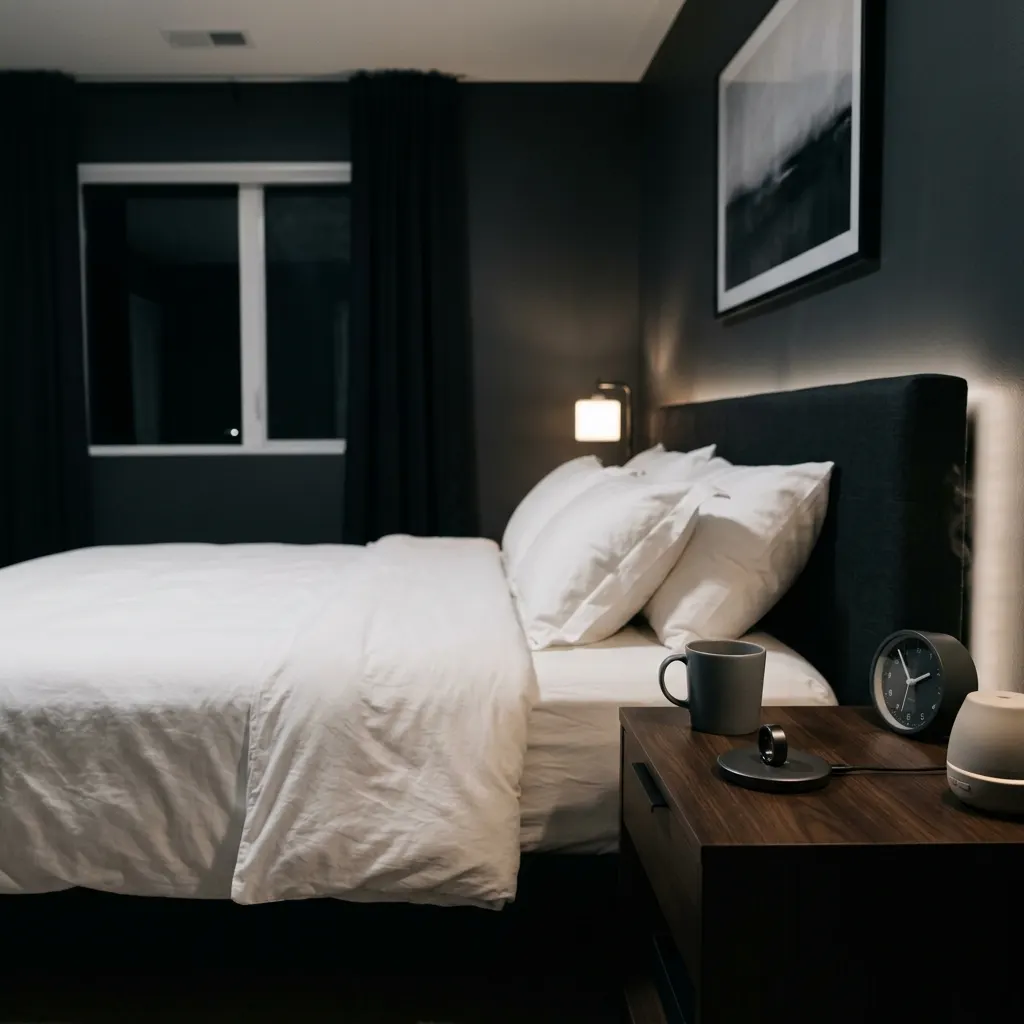
💡 Quick Answer
Sleep maxxing means deliberately improving sleep to get better results from training. Aim for 7–9 hours at consistent times, in a dark, cool, quiet room. Cut caffeine after early afternoon, finish hard workouts and heavy dinners 2–3 hours before bed, and keep phones away. Poor sleep reduces fat loss and increases muscle loss on a diet.
- Adults need at least 7 hours; athletes and heavy lifters often do best with 8–9.
- In one controlled study, dieters sleeping 5.5 hours lost 55% less fat than at 8.5 hours.
- Consistency in wake time matters as much as total hours.
- Supplements are optional; fix light, timing, caffeine and room first.
"Sleep maxxing" is the internet's name for treating sleep as seriously as training and diet. Behind the trend is a solid point: sleep is when your body repairs muscle, balances hunger hormones and restores energy. If you train hard but sleep 5–6 hours, you are leaving results on the table.
Indian life makes this harder: late dinners, 10 pm family TV, long commutes, hot nights, noisy streets and shared rooms. Here is how to sleep better within those limits.
How Much Sleep Do You Need?
Sleep medicine bodies recommend at least 7 hours a night for adults. People who train hard, play sport or lift heavily often feel and perform better with 8–9. Signs you are short: needing an alarm every day, sleeping much longer on weekends, afternoon crashes, cravings, and workouts that feel harder than they should.
Why Sleep Matters for Muscle and Fat Loss
- Muscle repair: deep sleep is when growth hormone release peaks and much tissue repair happens.
- Fat loss vs muscle loss: in a 2010 study in the Annals of Internal Medicine, people on the same diet lost about 55% less fat and more lean mass when sleeping 5.5 hours instead of 8.5.
- Appetite: short sleep is linked with more hunger and cravings for high-calorie food the next day.
- Performance: sleep loss reduces strength endurance, reaction time and motivation.
- Insulin sensitivity: even a few nights of short sleep worsen how your body handles blood sugar.
Sleep Maxxing Habits That Actually Work
1. Fix your wake time
A consistent wake time, within about 30 minutes daily, sets your body clock. Weekend lie-ins of 3 hours cause "social jet lag" on Monday.
2. Get morning light, avoid late light
Bright outdoor light in the morning, even 10–20 minutes on a balcony or walk, helps you feel sleepy at night. In the evening, dim the lights and reduce bright screens for the last hour.
3. Manage caffeine
Caffeine has a half-life of roughly 5 hours (it varies a lot between people), so a 5 pm coffee or pre-workout can still affect sleep at midnight. Keep tea, coffee and pre-workouts before about 2–3 pm. Remember strong chai and cola contain caffeine too.
4. Keep the room dark, cool and quiet
- Dark: blackout curtains or an eye mask; cover LED lights.
- Cool: an AC around 24–26 °C, or a fan and light cotton sheets. Many people sleep best in a cool room.
- Quiet: earplugs or a white-noise fan for traffic, horns and neighbours.
5. Time your dinner and training
Late, heavy, spicy Indian dinners are a common cause of poor sleep and acidity. Aim to eat 2–3 hours before bed. A protein-rich dinner (dal, paneer, chicken, curd) is fine. If you can only train late, do your hardest session earlier in the week and keep late workouts to strength work with a calm cool-down.
6. Build a wind-down routine
Spend 20–30 minutes on the same steps each night: a warm shower, light stretching, reading, or slow breathing. Keep the phone charging away from the bed.
7. Go easy on alcohol
Alcohol can make you fall asleep faster but fragments sleep later in the night and reduces recovery.
A Sample Sleep Routine
| Time (for an 11 pm bedtime) | What to do |
|---|---|
| Morning | Get outdoor light for 10–20 minutes within an hour of waking; wake at the same time daily, weekends included |
| By 2–3 pm | Last tea or coffee; caffeine has a half-life of around 5 hours |
| 6–8 pm | Finish hard training at least 2–3 hours before bed if you can |
| 8–8:30 pm | Dinner, not too heavy or spicy; include protein |
| 9:30 pm | Dim lights; set AC to about 24–26 °C or use a fan; put the phone on charge outside reach |
| 10:15 pm | Wind-down: shower, reading, light stretching or breathing |
| 11 pm | Lights out in a dark, quiet room |
Indian Lifestyle Challenges and Fixes
- Family eats dinner at 10 pm: eat a larger evening snack at 6–7 pm and a light portion with the family.
- Shared room: eye mask and earplugs; agree on a lights-off time.
- Hot summers and power cuts: a cool shower before bed, cotton bedding, and a rechargeable fan.
- Night shifts or US-hours jobs: keep the same sleep window every day, use blackout curtains for daytime sleep, and avoid bright light on the way home.
- Long commutes: a 15–20 minute nap before 4 pm can help; avoid long late naps.
Do You Need Supplements?
Most people do not. Fix the basics first. Magnesium glycinate is popular and may help some people relax; see our guide to magnesium glycinate. Low-dose melatonin can help with jet lag or shift changes, but in India it should be used on medical advice. Avoid regular sleeping pills without a doctor.
Food and Sleep
- Do not go to bed very hungry or very full.
- A glass of warm milk or a bowl of curd at night is fine if it suits you; it also adds protein.
- Very low-carb dinners leave some people restless; a roti or small portion of rice at dinner is fine.
- Limit water in the last hour if you wake to use the bathroom.
When to See a Doctor
Loud snoring with gasping, morning headaches and daytime sleepiness can be signs of sleep apnoea, which is common in men with belly fat and is very treatable. See a doctor if poor sleep lasts more than a few weeks despite good habits.
Sleep is one part of recovery; nutrition is the other. Our post-workout Indian food guide covers what to eat after training, and our best time to work out guide helps you plan training around sleep.
Frequently Asked Questions
What is sleep maxxing?
Sleep maxxing is a trend of deliberately optimising sleep to improve recovery, body composition and energy. In practice it means consistent sleep and wake times, 7 to 9 hours of sleep, and a dark, cool, quiet room.
How many hours of sleep do I need to build muscle?
At least 7 hours a night, and many people who train hard do best with 8 to 9. Consistency over weeks matters more than one long night.
Does lack of sleep stop fat loss?
It makes fat loss harder. In a controlled study, dieters sleeping 5.5 hours lost about 55 percent less fat and more muscle than when they slept 8.5 hours on the same diet.
Is it bad to work out at night?
Not for most people. Evening training is fine if you finish 2 to 3 hours before bed, avoid strong pre-workouts late in the day and cool down properly.
What should I drink before bed for better sleep?
Warm milk, haldi doodh or a caffeine-free herbal tea are fine choices if they suit you. Avoid tea, coffee, cola and alcohol in the evening.
Set your targets with the free calorie and macro calculator, then build a day of meals with the meal plan generator.
Track Indian Meals in Seconds
Snap a photo of your thali, tiffin or chilla and UltraFit360 estimates calories and protein for Indian dishes, so you can see exactly where your day stands.