💡 Quick Answer
Dry dal has about 21–26 g of protein per 100 g, but a cooked katori is mostly water. A 150 ml katori made from about 30 g of dry dal gives only 6–8 g of protein. Moong dal has about 24 g per 100 g dry (roughly 7 g per katori); toor and chana dal are slightly lower.
- Highest per 100 g dry: urad, moong and masoor (~23–26 g).
- Per katori: 6–8 g protein and ~100–110 kcal before tadka.
- Dal + rice or roti fixes dal's weak amino acid (methionine).
- To double the protein: use 50–60 g dry dal per serving, or add soya, paneer or curd.
Dal is the protein backbone of most Indian homes, and it is a good one: cheap, filling and high in fibre. The confusion comes from the numbers. Labels and charts quote protein per 100 g of dry dal, which sounds huge. What actually lands on your plate is a watery katori with a fraction of that. Here is what each dal really gives you, on both bases.
Protein in Dal Per 100 g and Per Katori
Values below are per 100 g of raw, dry dal, mostly from the Indian Food Composition Tables (IFCT 2017). The katori column assumes about 30 g of dry dal per 150 ml cooked katori, which is a typical medium-thick home dal. A thick dal made with 40 g of dry dal per katori gives about a third more.
| Dal | Protein per 100 g dry | Calories per 100 g dry | Protein per cooked katori (≈30 g dry) | Calories per katori (no tadka) |
|---|---|---|---|---|
| Moong dal (split green gram) | ~24–24.5 g | ~330–350 kcal | ~7.3 g | ~100–105 kcal |
| Masoor dal (red lentil) | ~24–25 g | ~330–345 kcal | ~7.3 g | ~100–105 kcal |
| Toor / arhar dal (red gram) | ~21.7 g | ~335–345 kcal | ~6.5 g | ~100–105 kcal |
| Chana dal (split Bengal gram) | ~20–21.5 g | ~340–360 kcal | ~6.3 g | ~105–110 kcal |
| Urad dal (black gram) | ~23–26 g | ~330–345 kcal | ~7.2 g | ~100–105 kcal |
| Rajma (kidney beans, whole) | ~22–23 g | ~330–345 kcal | ~7–9 g per katori of rajma curry | ~150–200 kcal with gravy |
For cooked whole beans the USDA lists boiled kidney beans at about 8.7 g of protein per 100 g. Rajma curry is usually thicker than a plain dal, so a katori often ends up nearer 8–9 g.
Tadka adds calories, not protein. One teaspoon of ghee or oil adds about 45 kcal. A restaurant dal tadka or dal makhani with butter and cream can easily be 250–350 kcal per katori for the same 7–9 g of protein.
Protein in Moong Dal
Moong dal is one of the most searched dals for protein, and it deserves the attention. Split yellow moong (dhuli moong) has about 24 g of protein per 100 g dry; whole green moong is similar at around 24 g. It is light on the stomach, cooks in 15–20 minutes without soaking, and is easy to turn into higher-protein dishes.
- Moong dal, 1 katori (30 g dry): ~7 g protein, ~100 kcal before tadka.
- Moong dal chilla, 2 medium (50 g dry dal): ~12 g protein, ~170 kcal plus the oil on the tawa.
- Moong sprouts, 1 katori (100 g fresh): only ~3–4 g protein, because sprouts are mostly water. Per gram of dry bean the protein is unchanged.
Why Dal Alone Is an Incomplete Protein
Every protein is built from amino acids, and your body needs nine of them from food. Pulses are rich in lysine but relatively low in the sulphur amino acids methionine and cysteine. Cereals such as rice and wheat are the opposite: low in lysine, adequate in methionine.
Eaten together, each covers the other's gap. This is why dal-chawal, dal-roti, khichdi, idli and dosa work so well nutritionally: the cereal-pulse combination gives a much better amino acid profile than either food alone. Research on cereal-pulse blends shows protein quality scores rise substantially when pulses are mixed with grains.
You do not need to combine them in the same bite. Getting both across the day is enough. The real limitation of dal is not quality but quantity: 7 g per katori is modest if you are aiming for 100 g of protein a day.
How to Make High-Protein Dal
A few simple changes take a katori from 7 g to 15–20 g of protein.
- Use more dry dal per serving. 50–60 g of dry dal per person makes a thick dal with 12–15 g of protein per bowl.
- Mix dals. Panchmel or mixed dal (moong, masoor, toor, chana, urad) gives you the same protein but a better texture at higher thickness.
- Add soya granules. 20 g of dry soya granules stirred into the pressure cooker adds about 10 g of protein with no change in taste. See our guide to soya chunks protein.
- Finish with paneer or tofu cubes. 50 g of paneer adds about 9–10 g of protein. Details in protein in paneer.
- Serve with curd. A katori of dahi on the side adds about 5 g; hung curd adds 10–15 g. See protein in curd.
- Keep the tadka small. One teaspoon of ghee per pot rather than per bowl keeps the flavour and saves 100+ kcal.
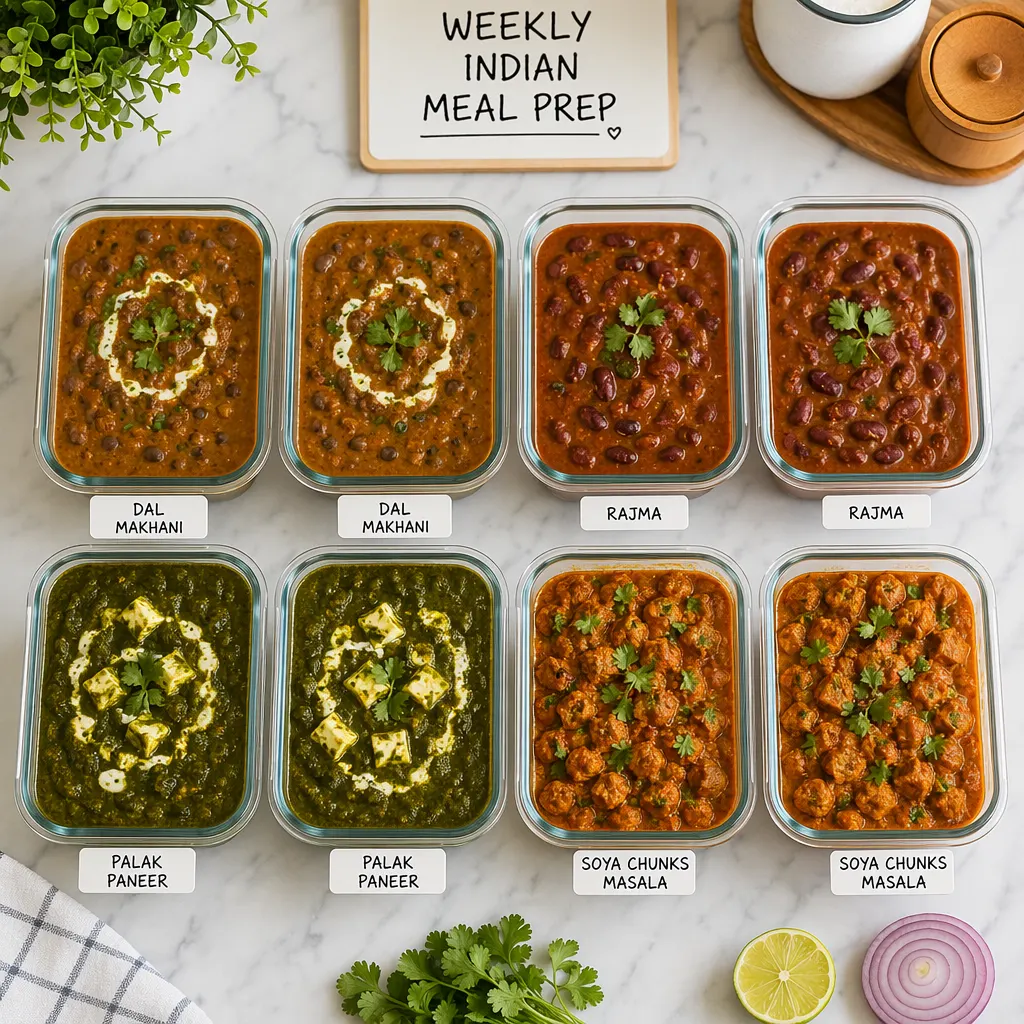
Batch-cooking a thick dal for three or four days is one of the easiest habits for vegetarian lifters. Our high-protein Indian meal prep guide shows how to fit it into a week.
Which Dal Has the Most Protein?
On a dry basis, urad, moong and masoor sit at the top at roughly 23–26 g per 100 g, with toor and chana dal a little behind at 20–22 g. The differences are small in practice. How much dal you use per katori matters far more than which dal you pick. Choose the one you enjoy and can digest well. Many people find moong the easiest; urad and rajma can cause more bloating, which soaking and pressure-cooking help reduce.
For chickpeas, kala chana and sattu, see protein in chana. For a single list of 45+ Indian foods with calories and protein per serving, use our Indian food calorie and protein chart.
Frequently Asked Questions
How much protein is in 1 katori dal?
A typical 150 ml katori of cooked dal made from about 30 g of dry dal has roughly 6 to 8 g of protein and about 100 to 110 kcal before tadka. A thick dal made from 40 to 50 g of dry dal per katori gives about 9 to 12 g.
How much protein is in moong dal per 100g?
Moong dal has about 24 g of protein per 100 g of dry, uncooked dal, according to IFCT 2017. Once cooked it absorbs water, so a 150 ml katori made from 30 g of dry moong dal has about 7 g of protein.
Which dal has the highest protein?
On a dry basis, urad, moong and masoor dal are highest at roughly 23 to 26 g of protein per 100 g. Toor and chana dal are slightly lower at about 20 to 22 g. In practice, the amount of dry dal per serving matters more than the type.
Is dal a complete protein?
Not on its own. Dal is low in the amino acid methionine, while rice and wheat are low in lysine. Eating dal with rice or roti, or simply having both across the day, gives a complete amino acid profile.
Is dal enough protein for muscle gain?
Usually not by itself. At 6 to 8 g per katori you would need many bowls to reach 100 g of protein. Use dal as one source and add paneer, curd, soya, eggs, chicken or whey to reach your daily target.
Sources: IFCT 2017 (ICMR-NIN) for raw dals and rajma; USDA FoodData Central for cooked rajma and cooked rice; amino acid complementation from FAO/WHO protein-quality literature (lysine limiting in cereals, sulphur amino acids limiting in pulses). Katori values are calculated from dry weights.
Hitting your protein target on an Indian diet is easier when you can see it: UltraFit360 logs meals from a photo and tracks protein against your goal. Work out your number with the protein calculator.
Log Your Dal-Chawal in Seconds
Take a photo of your thali and UltraFit360 estimates calories and protein for the dal, rice and sabzi, then tracks it against your goal.